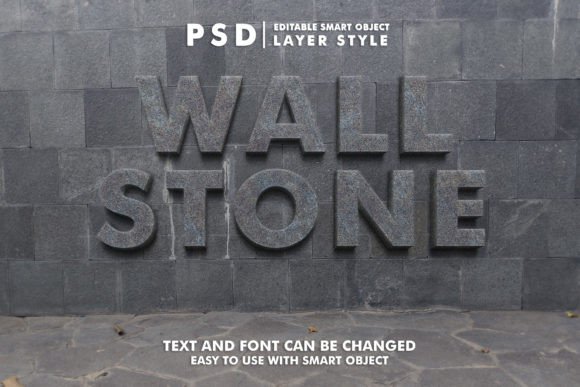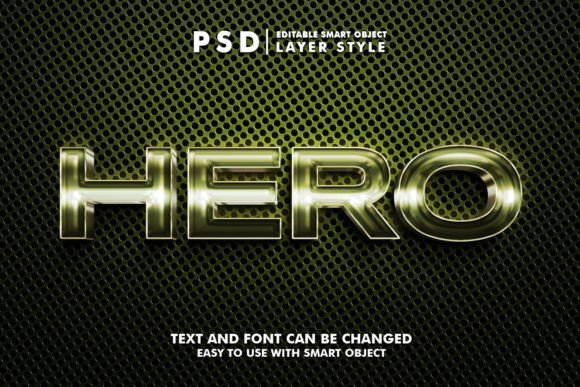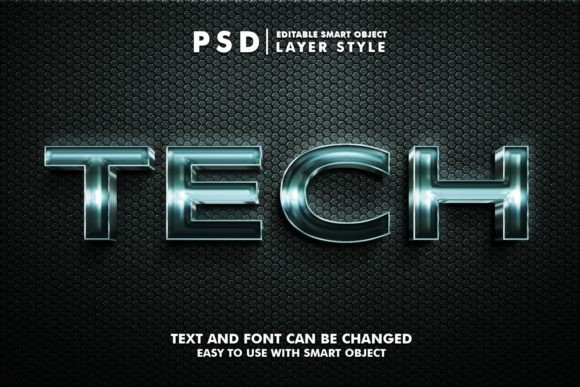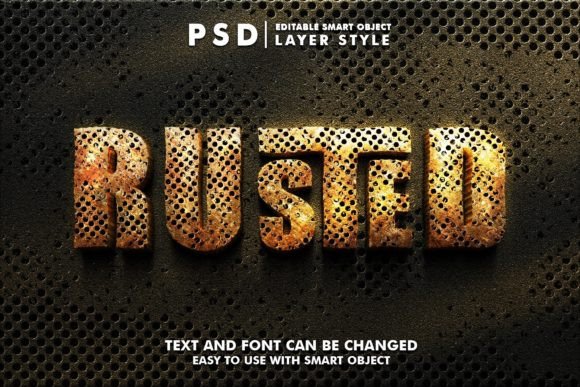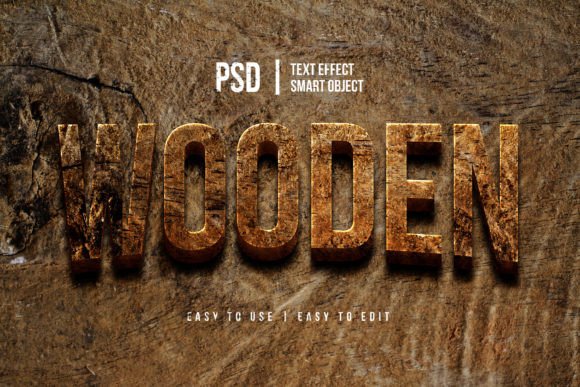
Realistic 3d Wood Texture Text Effect
The Realistic 3d Wood Texture Text Effect is a premium design asset that brings a natural, tactile feel to digital text. This graphic resource offers a high-quality 3D wood texture that can be applied to any text, artwork, or logo. Its realistic appearance adds depth and dimension, making it ideal for creative projects that require a touch of authenticity and craftsmanship.
With its rich grain patterns and subtle shading, this effect mimics the look of real wood, giving your designs a handcrafted quality. The texture has a warm, organic personality that works well with both modern and traditional aesthetics. It’s especially effective when used in branding, editorial design, and packaging, where visual appeal and emotional connection are key.
This 3D wood texture is versatile and can be adapted to various design styles. Whether you're working on a minimalist logo, a bold movie title, or an intricate illustration, the effect enhances the overall visual impact without overpowering the composition. Its high resolution ensures clarity and sharpness, making it suitable for both print and digital use.
Where the Realistic 3d Wood Texture Text Effect Works Best
The Realistic 3d Wood Texture Text Effect is particularly useful in creative and commercial projects that benefit from a textured, natural aesthetic. It's a great choice for designers looking to add a unique touch to their work, whether for personal or professional use.
- Logo Design: This effect can give a brand a distinctive, grounded identity, especially for businesses related to nature, craftsmanship, or outdoor activities.
- Editorial Design: Use it for book covers, magazine layouts, or article headings to create a visually engaging and thematic look.
- Packaging Design: The wood texture adds a premium feel to product packaging, making it stand out on shelves or in online stores.
- Social Media Graphics: Apply it to Facebook covers, YouTube thumbnails, or Instagram posts to make your content more eye-catching and memorable.
- Web Design: Incorporate it into website elements like headers, buttons, or background textures to enhance user experience and visual interest.
Its adaptability makes it a valuable addition to any designer’s toolkit, offering flexibility across different mediums and applications.
How the Realistic 3d Wood Texture Text Effect Influences Design
The Realistic 3d Wood Texture Text Effect plays a significant role in shaping the visual hierarchy and brand perception of a design. When used effectively, it can draw attention, convey emotion, and reinforce a brand’s identity.
Readability is an important consideration when using this effect. While the texture adds visual interest, it should not compromise the legibility of the text. Choose appropriate font sizes, spacing, and contrast to ensure that the message remains clear and easy to read.
In terms of brand perception, the wood texture can evoke feelings of warmth, reliability, and sustainability. It’s a strong visual cue that aligns with eco-friendly or artisanal brands. Consistency in typography and design elements helps build a cohesive brand identity, making the Realistic 3d Wood Texture Text Effect a powerful tool for maintaining visual unity across different platforms.
Audience engagement is also influenced by the effect’s aesthetic. A well-designed text with a realistic wood texture can capture attention and encourage interaction, whether in print or digital formats. It adds a layer of sophistication that resonates with audiences who appreciate quality and detail.
Practical Tips for Using the Realistic 3d Wood Texture Text Effect
To get the most out of the Realistic 3d Wood Texture Text Effect, consider the following practical steps:
- Choose the Right Font: Pair the wood texture with fonts that complement its character. A serif font might work well for a classic, traditional look, while a sans serif could provide a modern twist.
- Evaluate Project Fit: Assess how the texture aligns with the overall theme and purpose of your project. Ensure it enhances rather than distracts from the message.
- Test Font Pairings: Experiment with different font combinations to find the best balance between style and readability. Avoid overly complex pairings that may confuse the viewer.
- Review Included Styles: Take advantage of the included design assets to explore different variations and find the one that suits your needs best.
- Consider Readability: Make sure the text remains legible at different sizes and in various contexts. Adjust the texture intensity if needed to maintain clarity.
- Understand Commercial Licensing: Check the licensing terms to ensure the effect can be used in your specific project, whether for personal or commercial purposes.
By following these guidelines, you can effectively integrate the Realistic 3d Wood Texture Text Effect into your designs while maintaining professionalism and visual appeal.
Realistic Examples and Recommendations
For a website header, applying the Realistic 3d Wood Texture Text Effect to a bold, sans serif font can create a striking focal point that draws visitors in. In a flyer or poster, using the texture on a headline can add depth and visual interest, making the design more dynamic and engaging.
In a greeting card, the effect can bring a personal, handmade feel that resonates with recipients. For a T-shirt design, it can add a unique, artistic element that sets the garment apart from others. In a social media post, it can help your content stand out in a crowded feed, increasing visibility and interaction.
When using the Realistic 3d Wood Texture Text Effect, remember that less is often more. Use it strategically to highlight key messages or create a specific mood. With careful application, it can elevate your designs and leave a lasting impression on your audience.