3D Pattern: A Creative Tool for Designers
For professionals and creators looking to elevate their work, 3D Pattern offers a powerful solution. Whether you're a graphic designer, artist, or small business owner, understanding how 3D Pattern can enhance your workflow is essential. This versatile design tool provides flexibility and precision, making it a valuable addition to any creative project.
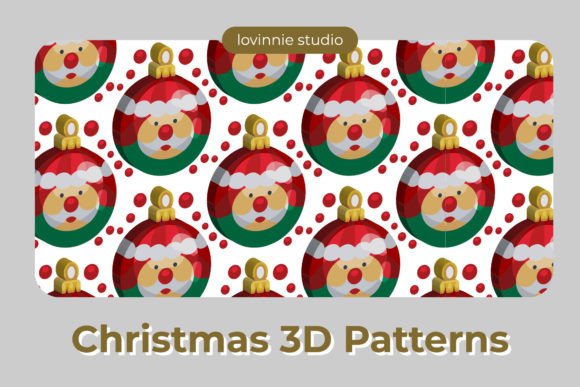
At its core, 3D Pattern is a digital design that allows users to create intricate, layered visuals with depth and dimension. Unlike flat designs, 3D Pattern adds a new level of realism and complexity, making it ideal for projects that require visual impact. The ability to manipulate elements in three dimensions opens up a world of possibilities for both artistic expression and practical application.
Why 3D Pattern Matters
In today's fast-paced digital landscape, standing out is more important than ever. 3D Pattern helps designers create unique, eye-catching visuals that capture attention. Whether you're working on a marketing campaign, product packaging, or a personal art project, the added dimension can make a significant difference in how your work is perceived.
Consider a scenario where a small business owner needs to create a logo that reflects their brand's identity. With 3D Pattern, they can experiment with different shapes, textures, and lighting effects to find the perfect representation of their vision. This level of customization ensures that the final design is not only visually appealing but also meaningful and relevant to their audience.
Practical Benefits of 3D Pattern
One of the most significant advantages of 3D Pattern is its ease of use. Designed with user-friendly tools, it allows even those with limited technical skills to create professional-grade visuals. The intuitive interface makes it simple to adjust elements, apply effects, and preview results in real-time. This accessibility means that more people can harness the power of 3D design without needing advanced training.
Another benefit is the ability to edit and adapt designs as needed. Whether you're refining a concept or adjusting a layout, 3D Pattern offers the flexibility to make changes quickly. This adaptability is particularly useful for professionals who need to iterate on their work based on client feedback or evolving project requirements.
Real-World Applications
3D Pattern has a wide range of applications across various industries. For example, in the field of architecture, designers can use 3D Pattern to create detailed models of buildings and structures. These models can be used for presentations, client reviews, or construction planning, providing a clear and accurate representation of the final product.
Graphic designers also benefit from 3D Pattern when creating promotional materials. Imagine designing a poster for an event or a product launch. With 3D Pattern, you can add depth and movement to your visuals, making them more engaging and dynamic. This can lead to increased viewer interaction and better overall results.
Who Can Benefit Most
While 3D Pattern is beneficial for a broad audience, certain groups may find it particularly advantageous. Entrepreneurs and small business owners, for instance, can use 3D Pattern to develop unique branding materials that set them apart from competitors. By investing in high-quality, customizable designs, they can build a stronger brand identity and attract more customers.
Freelancers and independent creators also stand to gain from using 3D Pattern. Whether you're a photographer, illustrator, or web developer, having access to a versatile design tool can streamline your workflow and improve the quality of your output. This can lead to greater client satisfaction and more opportunities for growth.
Choosing the Right Format
When working with 3D Pattern, it's important to consider the file formats available. The design is offered in six different types—AI, EPS, SVG, DXF, JPG, and PNG—each with its own strengths and use cases. For example, AI and EPS files are ideal for vector-based editing, while PNG and JPG are best suited for raster images. Understanding the differences between these formats can help you select the one that best fits your needs.
The canvas size of 1920 px by 1280 px ensures that the design is scalable and suitable for a variety of platforms. Whether you're preparing content for a website, social media, or print, the consistent resolution helps maintain clarity and quality across different mediums.
Considerations and Limitations
While 3D Pattern offers many benefits, it's important to recognize that it may not be the right choice for every project. For instance, if you're working on a simple design that doesn't require depth or complexity, a flat design might be more efficient. Additionally, some users may find the learning curve steeper than expected, especially if they're new to 3D design software.
It's also worth noting that the effectiveness of 3D Pattern depends on how well it aligns with your goals. If your primary objective is to create a quick, straightforward visual, then 3D Pattern may not be necessary. However, if you're looking for a way to add depth, creativity, and uniqueness to your work, it can be an excellent choice.
Final Thoughts
3D Pattern is more than just a design tool—it's a resource that empowers creators to bring their visions to life. By offering flexibility, ease of use, and a range of file formats, it caters to a wide audience of professionals and hobbyists alike. Whether you're looking to enhance your portfolio, improve your marketing efforts, or simply explore new creative possibilities, 3D Pattern can provide the support you need.
As you consider incorporating 3D Pattern into your workflow, take the time to evaluate your specific needs and goals. With the right approach, this design tool can become an invaluable asset in your creative journey. Thank you for visiting our shop. We hope you find the perfect design to meet your needs and inspire your next project.