3D Layered Surf SVG Laser Cut File: A Practical Guide for Creators and Entrepreneurs
If you're looking to add a unique touch to your projects, the 3D Layered Surf SVG Laser Cut File is a powerful digital resource that can elevate your work. Whether you're a hobbyist, a small business owner, or a professional designer, this file offers versatility and precision for a wide range of applications. However, understanding how to use it effectively requires more than just downloading the file—it involves knowing what to look for and how to avoid common pitfalls.
What Is a 3D Layered Surf SVG Laser Cut File?
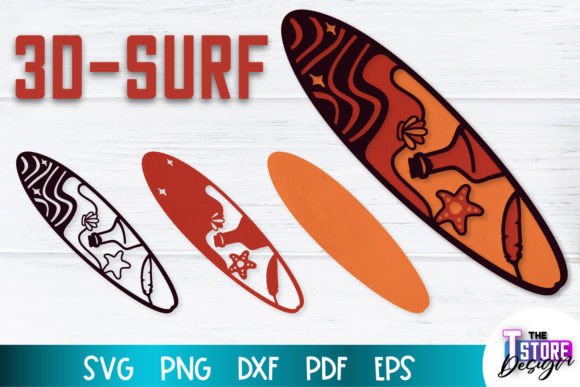
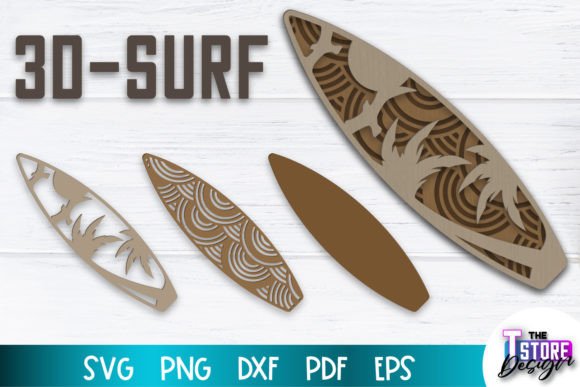
The 3D Layered Surf SVG Laser Cut File is a digital design template optimized for use with laser cutting machines. It includes multiple layers that, when cut and assembled, create a three-dimensional surfboard-like structure. This file is typically provided in various formats, including SVG, EPS, PNG, PDF, and DXF, making it compatible with different software and machines.
Its appeal lies in its ability to transform flat materials—like wood, acrylic, or cardboard—into intricate, layered designs. The file uses red lines for cutting and black lines for engraving, which helps users distinguish between the two operations during the cutting process.
Common Mistakes and Misunderstandings
While the 3D Layered Surf SVG Laser Cut File is a valuable tool, several common mistakes can lead to unsatisfactory results. One of the most frequent errors is not checking compatibility between the file and the user’s laser cutting machine or software. Not all machines interpret SVG files the same way, and some may not support advanced features like layering or engraving settings.
Another misunderstanding is assuming that the file is ready to use without adjustments. For example, the dimensions might need tweaking to fit specific materials or project requirements. Some users also overlook the importance of testing the design on a small scale before committing to a larger production run.
How These Mistakes Can Affect Your Results
Failing to verify compatibility can result in incorrect cuts, misaligned layers, or even damage to the material. If the engraving settings are not properly configured, the design may appear dull or inconsistent. Additionally, ignoring scaling issues could lead to a final product that doesn’t meet expectations in terms of size or detail.
These problems can impact efficiency, cost, and overall satisfaction. For instance, if a project requires multiple revisions due to improper setup, it could waste time and resources. Similarly, a poorly executed design might not impress clients or end users, affecting the perceived quality of your work.
Practical Advice to Avoid Common Pitfalls
To get the most out of the 3D Layered Surf SVG Laser Cut File, start by verifying that your laser cutting machine and software support the file formats included. Most modern machines handle SVG files well, but it’s always wise to double-check the specifications. If you’re unsure, reach out to the seller for clarification or request a sample file.
Before starting a full project, test the design on a smaller scale. This allows you to identify any issues with alignment, engraving, or material choice. For example, if you’re using wood, you might find that certain layers require additional reinforcement to hold up during assembly.
Customization is another area where users often stumble. While the file provides a base design, adjusting colors, sizes, or layout elements may require additional software knowledge. If you’re not familiar with tools like Adobe Illustrator or Inkscape, consider taking a short tutorial to understand how to modify the file effectively.
Realistic Examples and Better Approaches
Imagine you’re creating custom signage for a beach-themed café. Using the 3D Layered Surf SVG Laser Cut File, you could produce a striking, textured sign that stands out. However, if you skip the testing phase and proceed directly to full-scale production, you might encounter issues like uneven layers or weak joints. A better approach would be to print a small prototype first, ensuring that the layers align correctly and the engraving is visible.
Another example involves a craft business looking to expand its product line. By using the 3D Layered Surf SVG Laser Cut File, the business could create unique wall art or decorative items. To maximize efficiency, they should ensure that the file is scaled appropriately for their materials and that the cutting settings match their machine’s capabilities.
What to Check Before Using the 3D Layered Surf SVG Laser Cut File
Before diving into a project, take the following steps to ensure a smooth experience:
- Verify compatibility with your laser cutter and software.
- Check file formats to ensure they match your needs.
- Test the design on a small scale before full production.
- Adjust dimensions if necessary for your materials or project goals.
- Review engraving settings to achieve the desired effect.
By addressing these factors upfront, you can avoid unnecessary delays and improve the quality of your final product.
Final Thoughts
The 3D Layered Surf SVG Laser Cut File is a versatile and creative resource that can enhance a wide range of projects. However, its success depends on proper preparation, attention to detail, and a willingness to learn from potential challenges. By understanding common mistakes and following practical advice, you can unlock the full potential of this digital design and create impressive, high-quality results.
If you have questions about the file or need assistance with formatting, don’t hesitate to reach out. With the right approach, the 3D Layered Surf SVG Laser Cut File can become a valuable addition to your creative toolkit.